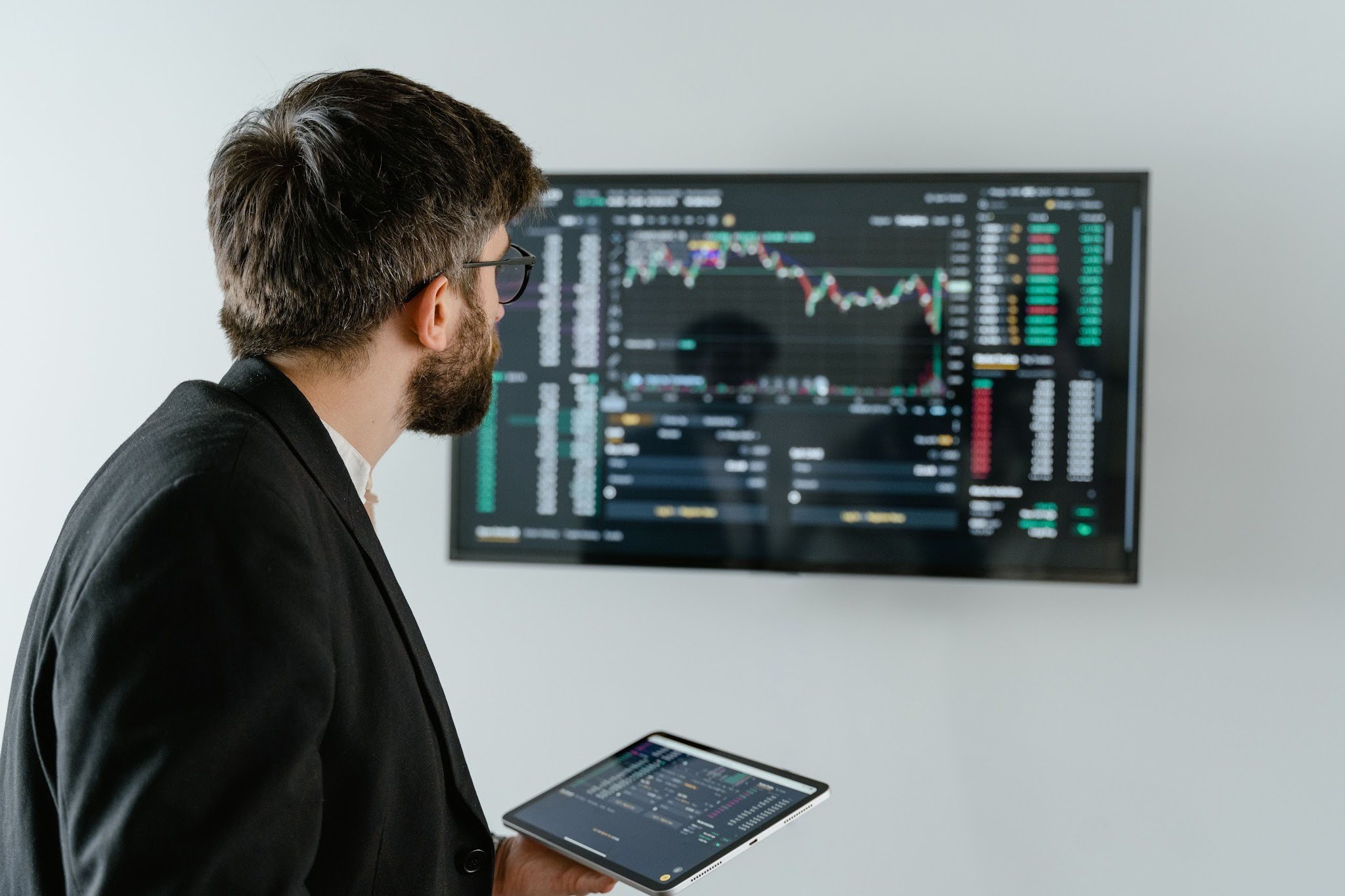

Keeping up with the global currency market takes speed, accuracy and constant attention. Today, automated software gives everyday investors access to sophisticated mathematical models that can execute trades without requiring continuous human intervention.
Personal finance has continued to evolve as technology progressively reshapes the way people approach currency trading. Many retail traders find that emotions and poor timing can undermine their otherwise sensible strategies, making it difficult to stay consistent over the long term. Automated systems offer a structured alternative by following predefined rules as opposed to reacting to fluctuating emotions, helping investors participate in the fast-moving markets with greater consistency.
The Shift to Algorithmic Execution
The foreign exchange market operates nonstop, creating a constant flow of information. As such, it’s incredibly difficult for a person with their own investment portfolio to keep track of all those processes without some form of help from technology. Especially if they have other responsibilities demanding their time and attention, such as work or caring for their family.
In 2026, however, technological assistance can help to solve this issue by enabling one’s individual trading account to be linked to a quantitatively oriented system that continuously processes market data. This way, instead of spending hours analyzing market charts and getting up early to read news from abroad before the start of the trading session, you could use software that constantly analyzes the market’s current state. Thanks to this technology, it is very much possible to stay in the market without spending all your time tracking price changes.
A Disciplined Approach to the Market
One of the biggest challenges in discretionary trading is managing emotion. Fear can trigger early exits, while overconfidence may encourage larger positions during periods of market volatility. Rule-based execution is designed to reduce emotional influences by following predefined criteria rather than instinct.
An auto trade bot helping retail investors systematise currency market participation executes trades according to programmed rules as opposed to reacting to market sentiment. Every position is based on measurable data rather than assumptions or intuition, creating a more consistent decision-making process.
This structured approach brings a level of discipline that can be difficult to maintain manually. The software can instantly evaluate:
- Price action
- Volume data
- Statistical thresholds
When market conditions meet the programmed criteria, orders are executed immediately, reducing the hesitation that can affect manual traders during periods of rapid price movement.
Architectural Standards and Platform Integration
Modern automated trading systems are designed to work with widely used industry platforms, particularly MetaTrader 4 and MetaTrader 5. This compatibility allows the software to access built-in technical indicators and live market data without requiring additional bridge applications. After installation, the system communicates directly with the broker terminal through the existing platform.
Many advanced systems also include cloud-based optimization engines that automatically recalculate internal execution settings monthly. These updates use primary tick data to run simulations and adjust parameters as market conditions evolve, helping maintain consistent performance across changing environments.