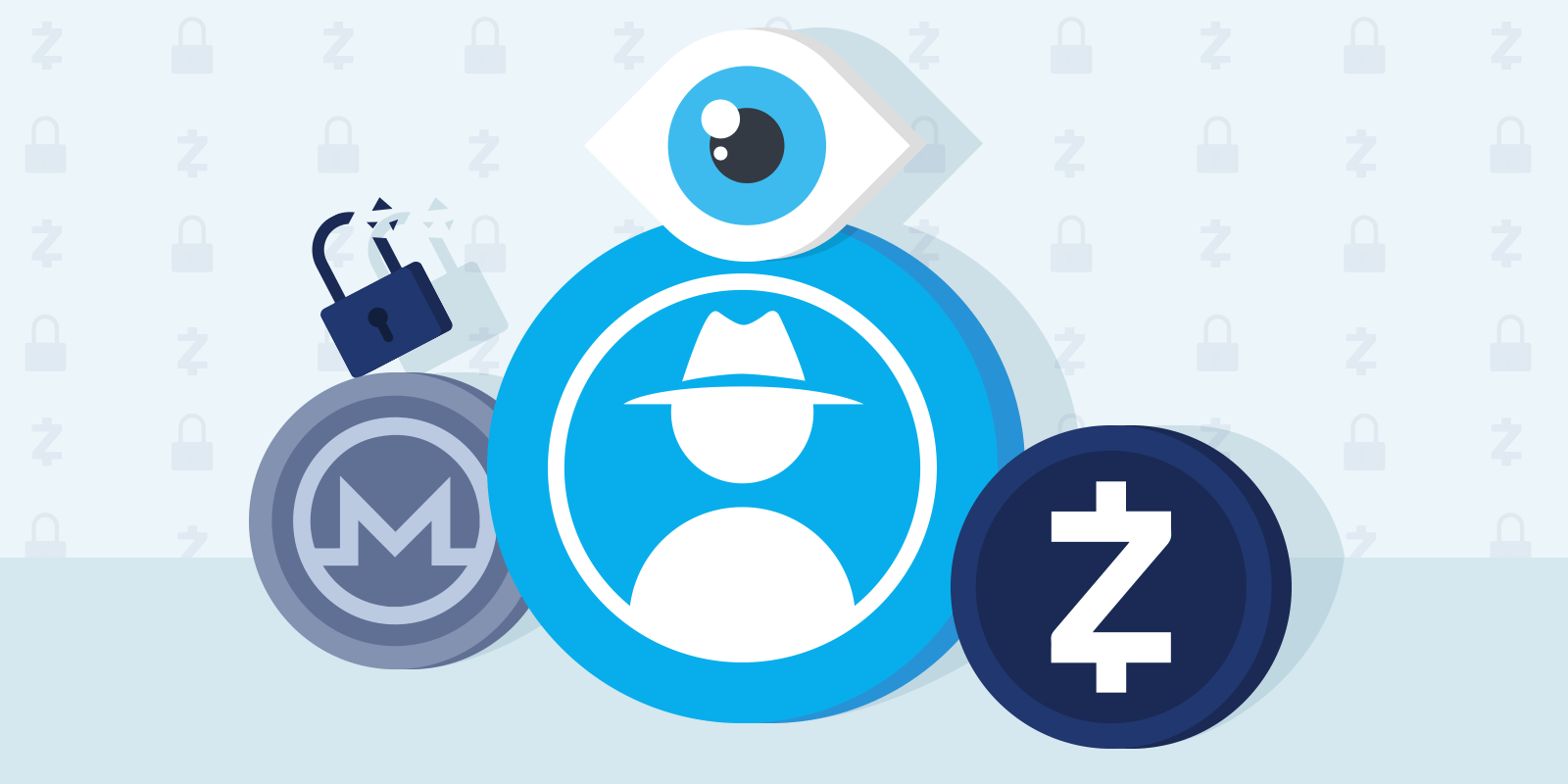

The advent of crypto has changed how people see and deal with money. Digital currencies offer more security and convenience and are touted as also offering anonymity—something many people are interested in as it becomes harder to keep your life private in the connected age.
However, believing that crypto can fully mask your identity is one of the many fables surrounding the various cryptocurrencies. While it’s common to share your information on many sites, such as the online casinos found through BonusFinder Canada, transacting using crypto may still require you to do so, but in a less obvious way.
This misconception has led to many being caught using crypto for deceitful purposes, so it is important to know exactly how and when crypto can help you remain anonymous. If you want to keep your transactions private, keep reading to see what privacy cryptocurrencies can offer you.
Diminishment of Privacy
Despite the idea that crypto transactions can only be identified by law enforcement agencies, there are several ways that your private information can be tied to a transaction. However, it can only be exploited by people with the knowledge, skill, or authority to find this information.
KYC/AML
Millions of crypto transactions occur on crypto exchanges, which make it easier to trade one coin for another, store crypto, or even exchange fiat currency for a particular coin, and vice versa. However, as financial institutions, these exchanges operate under immense scrutiny and regulation.
One of the most stringent regulations requires exchanges to have comprehensive know-your-customer (KYC) and anti-money laundering (AML) policies. These policies ensure that no money is being used for illegal purposes, to fund terrorism, or to seem legitimate.
These policies, which serve a worthwhile purpose, require all exchange users to provide proof of their identity and address. This information is linked to your account and, as such, to your private key. Therefore, any transaction undertaken can be connected to your account and subpoenaed by law enforcement.
IP Tracking
Although less common as a way to trace a crypto transaction, your IP may be tracked by somebody when you are making a transaction and using your crypto wallet. When this happens, those monitoring you may be able to pinpoint your location and discover your identity.
Law enforcement often employs IP tracking when crypto transactions suspected of supporting crime occur across geographical locations. Using IP information, detectives can map out the movement of funds and see which countries the players in the transaction reside in.
Blockchain Analysis
Because of blockchain’s inherent public nature, anyone can access and view transactions added to the public ledger. This transparency is one of the things that gives crypto its strong security reputation, but it can also be used against those wishing to remain anonymous.
Some companies, like Chainalysis, use this access to the blockchain to perform in-depth analysis of transactions that could reveal user information. When paired with open-source intelligence (OSINT), these analytics often identify transaction originators and devoid crypto of its privacy.
Laws Which Diminish Crypto Privacy
Some of the above ways that crypto transactions can be traced are the result of laws regulating crypto use. These laws, which also aim to minimize illicit currency use, give law enforcement the power to look beyond the veil of the blockchain.
The Digital Commodities Consumer Protection Act (DCCPA)
Passed in late 2022, the DCCPA gives authority to the Commodity Futures Trading Commission (CFTC) to ensure regulation of all commodity trading platforms. Considering the CFTC sees coins such as Bitcoin and Ethereum as commodities by definition, this law allows the CFTC power to regulate crypto exchanges.
With this power, the CFTC can approach exchanges, under court order, to obtain information about the identities of anybody linked to a suspicious transaction. The exchange must then comply lest it be accused of non-compliance under regulation.
State Regulations
Aside from blanket laws such as the DCCPA, many states have passed regulations applicable to the use of crypto in their region. These range from crypto-friendly and aiming to attract investment to among the strictest in the world.
Examples of the above extremes are New York and Texas. New York has some of the strictest crypto regulations and requires any business that deals with crypto to apply for a license before carrying out services. Texas, however, recognizes Decentralized Autonomous Organizations (DAOs) and has become one of the largest mining regions.
Ways to Ensure Privacy
Although many methods can be used to identify who is behind a particular crypto transaction, plenty of other masking strategies have been established in response. These range from simple to complex.
Mixers
Also called tumblers, mixers are services that shuffle and obscure transaction trails. These services accept many transactions and mix them together before sending the required amount to each recipient. Following the trace of the original transaction becomes almost impossible when this occurs.
It should be noted that the use of mixers is often frowned upon and could even result in bans from some exchanges.
Zero-Knowledge Proofs
Zero-knowledge proofs (ZKPs) require that only one party validate a statement on the blockchain. When doing this, no information about the statement itself is revealed, thereby blocking any identifiable information about the transaction.
While good at hiding information about a payment or withdrawal, ZKPs are generally very expensive due to hardware and verification costs. As such, they are primarily used for smart contracts issued on the Ethereum network and for Zcash.
Stealth Addresses
This method of obscuring your transactions hides recipient addresses and makes it harder to follow the trail of any payment. While one of the simplest methods, it works well as it ensures that no complete transaction information is known.
Confidential Transactions
Like stealth addresses, confidential transactions are simple in their methodology and operate by removing a particular part of the transaction information. In these cases, the amount of funds being transferred is hidden, making it almost impossible to see if the transaction involved a suspicious value.