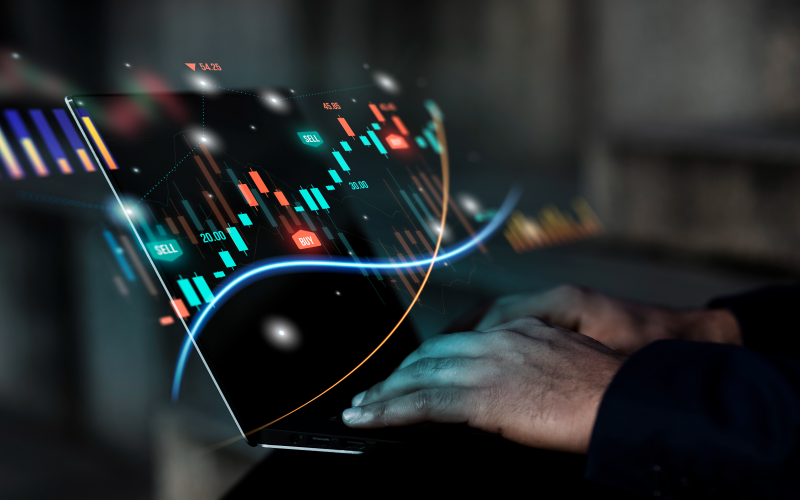

Artificial intelligence (AI) is revolutionising the financial services industry. It is being used to reduce fraud, unlock new efficiencies, and improve customer service. Immediate momentum is one of the best platforms to reduce risk in AI trading.
However, this increased reliance on AI is bringing with it a host of risks that need to be managed. This blog will look at the key potential risks of AI, as well as some best practices for managing them.
Risk Management in AI Trading
1. Analyze the Data
The landscape of risk management is undergoing rapid transformation, and AI is playing an important role. AI-powered trading systems can analyze vast amounts of data and detect patterns that humans may miss. They can also identify suspicious activities and ensure regulatory compliance, which can reduce the risk of fines and penalties and improve market integrity.
AI can also improve the accuracy of predictive models by identifying and classifying new patterns. In addition, AI can help reduce the risk of human error by removing emotional decision-making and fatigue factors from the equation. This can lead to more rational trading decisions that are less likely to be influenced by opportunism or biases.
2. Review the Model
Regulatory, ethical, and reputational issues all need to be considered when implementing an AI risk management system. To do so, you must first assess the risk of an AI solution within your organization. This involves identifying your current frameworks, reviewing the level of transparency you want in your AI operations, and considering how the use of this technology will further business objectives.
As an example, investment banks are integrating AI into their electronic trading systems to mitigate liquidity risk. The risk of being unable to meet customers’ demands for cash is reduced by using AI to monitor and execute trades, hedging positions automatically when necessary.
3. Test the Model
AI is a powerful tool that has the potential to transform the stock market. However, it’s important to understand the risks and make wise decisions about risk management in AI trading.
One Investment Bank that’s been successful in leveraging AI for risk management in electronic trading is Goldman Sachs. Its AI-driven platform uses machine learning algorithms to analyze vast amounts of trading data in real-time, identify potential risks, and take proactive measures to mitigate them.
To minimize the risk of AI trading, it’s important to select a backtesting platform that allows you to test your model against historical market data. Choose a platform that offers a visual interface and requires minimal to no coding. Ideally, you should also use forward testing, which involves running the model in live markets to evaluate its performance under actual conditions.
4. Analyze the Results
Traders can take advantage of AI-powered systems that analyze market data and identify potential risks. These can include detecting anomalies in trading patterns that signal market manipulation or fraud. They can also provide automated hedging strategies that take profit and loss across the trader’s entire portfolio into account.
Other risk management applications of AI in trading include sentiment analysis, which uses data from social media feeds and newspaper articles to evaluate public opinion and impact on asset prices. This real-time research helps traders stay on top of market developments to maximize trading outcomes.