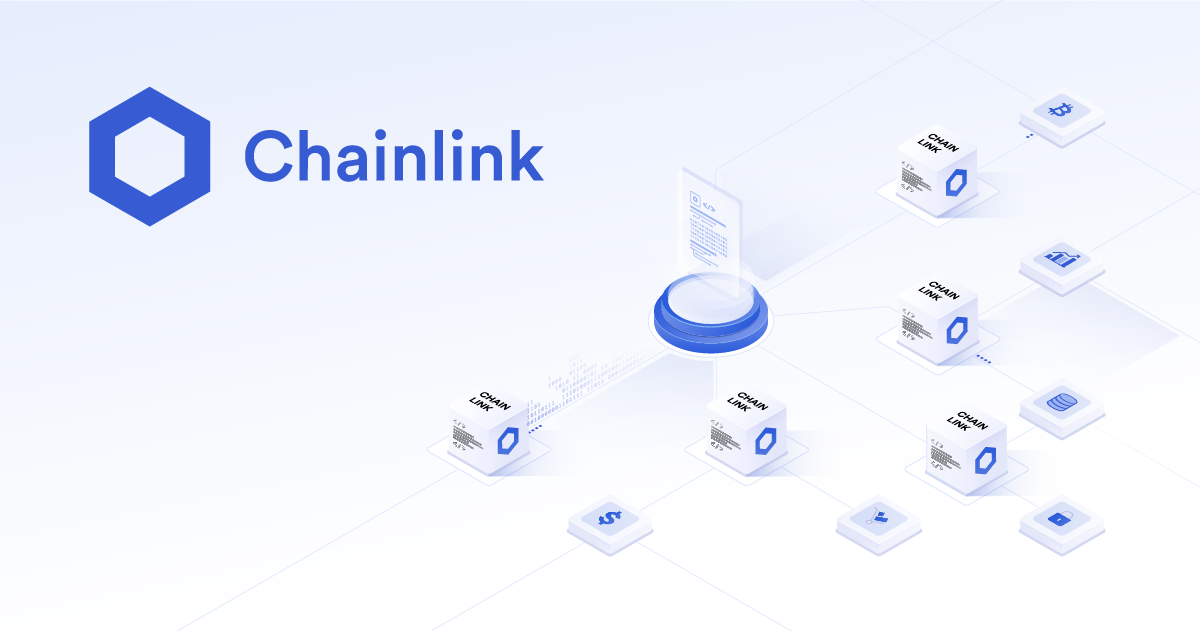

The cryptocurrency market is booming, but it’s still very early in the game. There is plenty of room for improvement and new use cases for existing blockchains. This is where ChainLink comes in. ChainLink is a decentralized oracle service that allows anyone to access data from outside sources—such as the price of gold, the value of foreign currencies, or even weather forecasts—using smart contracts on Ethereum-based blockchains.
The project aims to solve one of the biggest problems facing blockchain technology today. Its inability to interact with real-world data sources like APIs or databases without human intervention or third-party intermediaries like Bloomberg Terminal Service (BTS).
Chainlink, a prominent cryptocurrency in the blockchain industry, has garnered significant attention from investors and enthusiasts. This article aims to provide insights into the future prospects of Chainlink, analyzing its current price performance, factors influencing its future, expert opinions, and potential challenges. By examining these aspects, we can gain a better understanding of what the future may hold for this cryptocurrency.
Overview of Chainlink
Chainlink is a decentralized oracle network that acts as a bridge between blockchain platforms and real-world data. It enables smart contracts to interact with external data sources, APIs, and traditional payment systems in a secure and reliable manner. Chainlink’s robust infrastructure and wide-ranging partnerships have positioned it as a leader in the oracle space, making it a vital component for many blockchain applications.
Chainlink is a blockchain middleware that allows smart contracts to communicate with external data sources, APIs, and other applications. Chainlink aims to provide a decentralized oracle service by using nodes on the network so that when an event occurs (for example the temperature hitting 70 degrees), it can be recorded in a smart contract. In this case, Chainlink would be acting as an intermediary between the real world and blockchain technology.
How Does ChainLink Work?
The ChainLink Network is a decentralized oracle network that enables smart contracts to access the critical data they need to become useful for commercial applications. ChainLink allows users to create their own data feeds, which are then used by smart contracts on any blockchain. Chainlink uses hybrid smart contracts and a network of data sources to facilitate the communication between blockchains and external systems
Users of smart contracts can utilize the oracles in the Chainlink network to retrieve data from off-chain APIs, data pools, and other resources, which can then be integrated into the blockchain. The digital asset token, LINK, is used to pay for services on the network
ChainLink also acts as a blockchain middleware that connects blockchains and external parties like banks, insurance companies, and more. It’s built on top of Ethereum’s blockchain but can also be used with other cryptocurrencies such as NEO or Lisk (LSK).
What Problems Does ChainLink Solve?
Chainlink is a decentralized oracle network that provides smart contracts with access to key external data feeds and web APIs.
Chainlink allows smart contracts on any blockchain to connect with the real world by providing them with access to key external data feeds, web APIs, and traditional bank payments.
Chainlink solves the “oracle problem” by providing a decentralized network of nodes that offer data and information from off-blockchain sources to on-blockchain smart contracts via oracles. This process helps eliminate reliability issues that might occur if using only a single centralized source.
Chainlink enables secure interaction between smart contracts and off-chain resources, such as APIs and data feeds, facilitating interoperability between blockchains and securing data feeds cryptographically.
By acting as a bridge between oracles and smart contracts, Chainlink ensures the accuracy and security of the data used in smart contracts, thus preventing incorrect and unpredictable outcomes.
How Can You Get Involved With ChainLink?
- Buy ChainLink. You can purchase ChainLink coins directly from a crypto exchange, or you can buy them from a broker.
- Trade ChainLink on an exchange. If you’d like to make money by buying and selling cryptocurrencies, this is the best place for you.
- Mine ChainLink with your computer’s CPU power (or GPU power) by downloading one of many different cloud mining programs available online today.
- Earn free tokens by completing simple tasks such as watching videos or visiting websites in exchange for referral commissions that pay out cryptocurrency rewards – these are called “airdrops” in crypto lingo because they’re literally just dropped into your wallet without any effort required on your part.
Current Price Performance
As of the current date, Chainlink’s price has exhibited stability despite ongoing market volatility. However, it is important to note that cryptocurrency prices are subject to market fluctuations, and past performance does not guarantee future results. To obtain the most accurate and up-to-date information on Chainlink’s price, it is recommended to refer to reputable cryptocurrency exchanges and financial platforms.
Factors Influencing Chainlink’s Future
Several factors can influence the future of Chainlink:
- Adoption and Integration: Chainlink’s success depends on the adoption and integration of its Oracle technology by various blockchain projects. Increased usage and integration of Chainlink’s oracles can contribute to its long-term growth and value.
- Market Demand: The demand for decentralized Oracle solutions is expected to increase as blockchain applications continue to expand across industries. Chainlink’s ability to meet this demand and provide reliable Oracle services can positively impact its future prospects.
- Partnerships and Collaborations: Chainlink’s partnerships with leading blockchain projects, enterprises, and data providers play a crucial role in its growth. Collaborations with established entities can enhance Chainlink’s credibility and facilitate its wider adoption.
Potential Challenges and Risks
While Chainlink has shown promise, there are potential challenges and risks to consider:
- Competition: Chainlink faces competition from other decentralized Oracle networks, such as Band Protocol, Tellor, and API3, which could impact its market share and adoption rate.
- Smart contract risks: When working with Chainlink on layer-2 chains and sidechains, users must export their LINK tokens from Ethereum to the target chain using a cross-chain bridge. This process may expose users to smart contract risks.
- Systemic financial risks: As Chainlink is an integral part of the DeFi ecosystem, it may be exposed to systemic financial risks that could arise from vulnerabilities in the DeFi space.
- Price volatility: Like other cryptocurrencies, Chainlink’s token, LINK, is subject to price volatility, which could result in significant fluctuations in its value.
- Regulatory risks: The regulatory landscape around cryptocurrencies is constantly evolving, and Chainlink may face challenges if new regulations are imposed that restrict its operations or use.
Long-Term Outlook for Chainlink
The long-term outlook for Chainlink depends on its ability to adapt to changing market dynamics, expand its network of partnerships, and maintain technological innovation. Continued adoption, integration with blockchain projects, and real-world use cases are key factors that can shape Chainlink’s future.
Experts’ opinions on the future of Chainlink vary. Some experts believe that Chainlink’s technology and strategic partnerships position it for continued growth and adoption. However, it is important to consider multiple perspectives and conduct thorough research before making any investment decisions.
Conclusion
The future of Chainlink cryptocurrency holds both opportunities and challenges. While Chainlink has established itself as a leading oracle network, its success depends on factors such as adoption, market demand, and partnerships. Investors and enthusiasts should closely monitor the developments in the Chainlink ecosystem, conduct thorough research, and seek professional advice when making investment decisions.