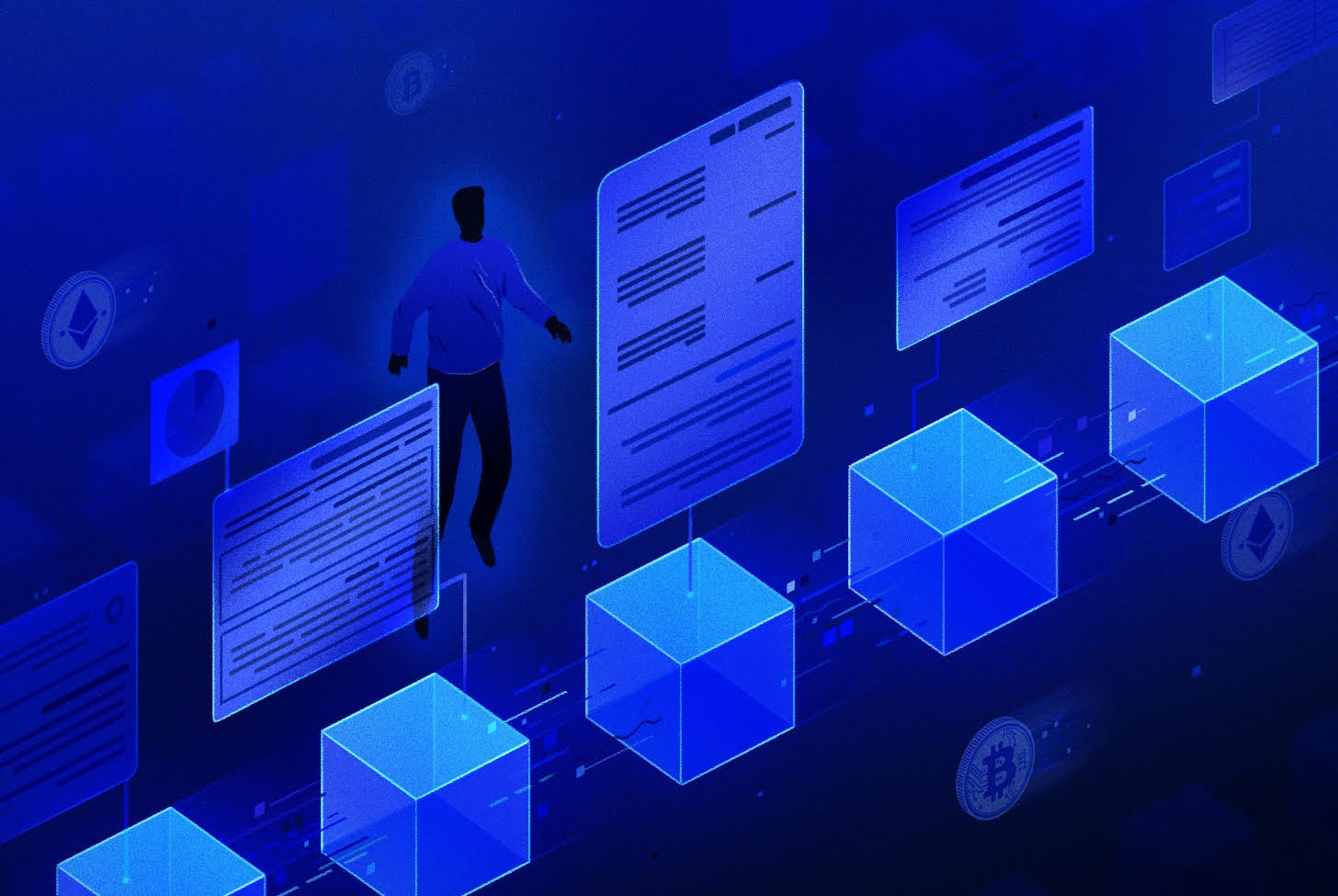

Web 3 and DeFi were introduced to overcome the shortcomings of their respective platforms. Decentralized Finance was developed to let traders store their cryptocurrency in online wallets, so they don’t get restricted while choosing their trading strategies and performing fast transactions.
Web 3 was created to enhance the user experience. Starting its journey from the advent of the internet to the current version where we can connect with people worldwide, the web has traveled a long way. There are still more updates to come as the Metaverse grows, but for now, Web 3 is doing a tremendous job of keeping up with the trends.
As Web 3 is integrated with blockchain technology, it promotes the usage of decentralized computer networks, shared apps, and smart contracts. To upgrade the transactions systems, the Ethereum network developed various protocols that allowed access to a significantly transparent, consent-free, and open financial protocol. This model became the foundation of the decentralized finance system (DeFi).
Characteristics Shared by DeFi and Web 3
DeFi and Web 3 have different working systems but share some properties essential to the upgrades in the Metaverse and Crypto. Some of the similarities are listed below.
Transparency
The permissionless system refers to the part where the interference of a central bank is not required. People are saved from unprecedented charges and can perform their daily activities by paying the fee for a fraction of the price. Public blockchain systems allow anyone from anywhere to perform activities through their smartphones and laptops with a few simple clicks.
Interoperable
This property allows users from different blockchains and networks to share data seamlessly. Whatever device, currency, or network they use, they can share data, technology, and tokens with others instantly.
Encrypted Systems
Blockchains are a network of computers that store data units in the form of blocks. Once a block is verified and added to the chain, the data within it cannot be changed or altered. This gives the user an extra layer of security and prevents it from getting into the hands of malicious users. In addition, no user can falsify the records, make alterations, or reverse anything.
Smart Contracts
As there is no interference from banks or central organizations, the intermediary here is called Smart Contracts. It is in no way similar to a bank as it allows users to have a say in the contract agreements and share data with their peers and other operations of the chain of command.
Tokenization
DeFi and Web 3 use the economic and governance systems that lie on the foundation of asset tokenization. They use the PoS structure, allowing users to vote or have a say in the suggestions regarding new upgrades and advancements. Compared to traditional systems, the potential for investors to purchase, exchange, and invest in fractionalized digital products and entirely split considerably lowers the entry hurdle.
Final Thoughts
The advancement of the internet and blockchain is necessary to keep up with the new technology. If we keep using outdated methods and versions of the internet, we will be able to catch up in technological advancement. Similarly, we must keep up with the market trends and fluctuations regarding crypto trading, and the yuan pay group can help you with that.
Web 3 and DeFi are the future of all technologies and will significantly change the operations of the Metaverse and cryptocurrency trading.