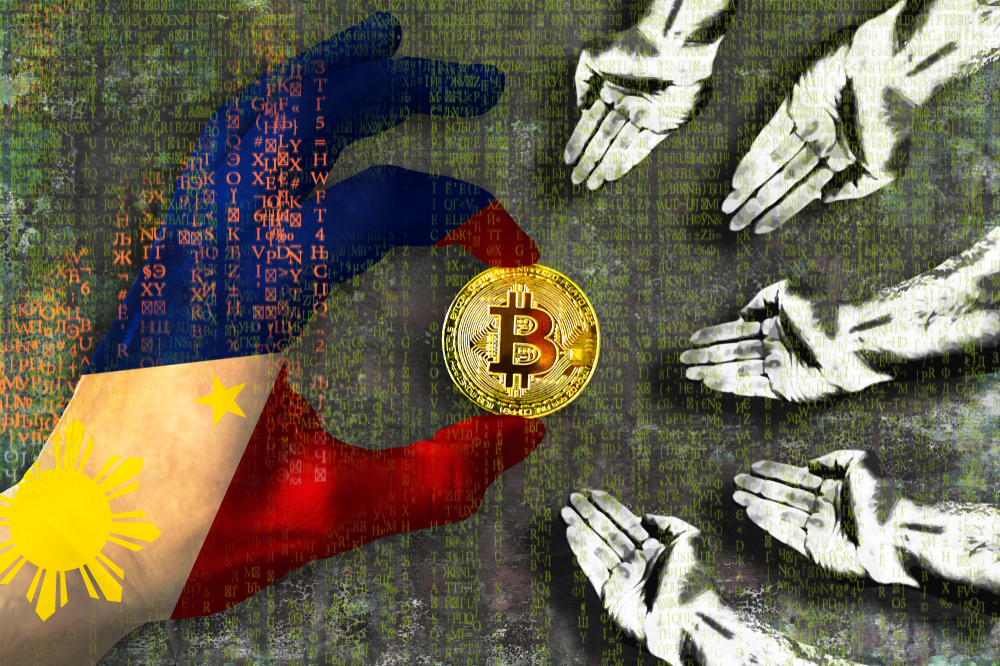

Cryptocurrency has taken the world by storm in recent years, and the Philippines is no exception. With a tech-savvy population and a growing interest in digital finance, more and more Filipinos are turning to cryptocurrency as a way to invest and transact. In this article, we will explore the state of crypto adoption in the Philippines and answer some of the most pressing questions related to this topic.
What is the adoption rate of crypto in the Philippines?
Crypto adoption in the Philippines is growing rapidly. According to a survey by Statista, around 17% of Filipinos own cryptocurrency, while another 24% are interested in buying crypto in the near future. This indicates a high level of interest in digital assets among Filipinos.
The report suggests that the increased acceptance of cryptocurrencies in emerging markets can be attributed to their utilization for remittances, along with their perceived usefulness as a reliable safeguard against inflation and political instability. In comparison to other nations, these countries have a greater reliance on Bitcoin and stablecoins.
Further analysis of the data reveals that Vietnam is experiencing a surge in adoption rates of centralized cryptocurrency tools, DeFi, and P2P exchange. These results align with previous studies that have highlighted the growing inclination of Vietnamese consumers towards cryptocurrencies.
What are Filipinos spending crypto for?
Filipinos are spending crypto for various purposes, including online shopping, peer-to-peer transactions, and remittances. Many Filipinos use cryptocurrency to send money to their families and friends abroad, as it is often faster and cheaper than traditional remittance methods.
For those looking for entertainment, crypto gambling is the new trend that’s worth checking out. There are many online based casino operators that accept cryptocurrencies in Philippines. The websites offer traditional casino games like slots and table games. There are even casino reviews websites that compare crypto gambling operators and help players to choose the best one for their needs.
Is crypto trading legal in the Philippines?
Yes, crypto trading is legal in the Philippines. In fact, the country has been proactive in regulating the crypto industry. In 2018, the Bangko Sentral ng Pilipinas (BSP) recognized cryptocurrencies as a legitimate payment method, and since then, it has issued guidelines for crypto exchanges and other crypto-related businesses.
What are the most popular coins for Filipinos?
Bitcoin (BTC) is by far the most popular cryptocurrency in the Philippines, followed by Ethereum (ETH) and Ripple (XRP). However, other coins such as Litecoin (LTC) and Bitcoin Cash (BCH) are also gaining traction among Filipinos.
How many crypto owners are there in the Philippines?
According to a global survey conducted by GWI (formerly GlobalWebIndex) in Q4 of 2021, the Philippines is ranked second in terms of cryptocurrency ownership. The survey revealed that 22.7% of Filipino respondents are crypto users and hold digital assets. Turkey topped the list with 23.8% of respondents owning cryptocurrencies, followed by the Philippines, Argentina, Thailand, South Africa, Nigeria, Singapore, Indonesia, Brazil, and the United States.
However, a separate survey conducted by Finder’s Cryptocurrency Adoption Index reported that the number of crypto owners and users in the Philippines dropped from 15.5 million in January 2022 to 12 million in April 2022. Despite the drop, Bitcoin remained the most popular cryptocurrency in the country, with 37.8% of the 12 million crypto users holding BTC in their wallets. The other popular cryptocurrencies were Dogecoin (DOGE) at 22.3%, Ripple (XRP) at 21.9%, and Ethereum (ETH) at 19.2%.
Moreover, the survey also found that men are more engaged in cryptocurrency ownership, with 62.5% compared to 37.5% of women.
In general, the Philippines ranks high in cryptocurrency ownership, with Bitcoin being the most popular digital asset. The decreasing number of crypto owners and users in the country may indicate a need for more awareness and education regarding the benefits and risks of cryptocurrency.
What bank accepts crypto in the Philippines?
In the Philippines, the topic of crypto-friendly banks is widespread. If you’re considering investing directly with a bank that supports cryptocurrency, you might encounter difficulties since most mainstream banks in the country do not offer many cryptocurrency services as of the present time.
However, if you’re looking for a bank that allows you to send money to a cryptocurrency exchange, most banks in the Philippines provide this service.Regrettably, there are limited options if you’re searching for crypto-friendly banks in the Philippines to send cryptocurrency to.
Union Bank of the Philippines is the first bank in the country to launch a cryptocurrency ATM. The bank also offers a blockchain-based platform called i2i that allows rural banks to connect with each other and with Union Bank. Moreover, some other banks in the Philippines have expressed interest in blockchain technology and cryptocurrencies.
How Cryptocurrencies are Taxed in the Philippines?
If you are a cryptocurrency enthusiast in the Philippines, it’s important to understand how your activities in the digital asset space are taxed. The Bureau of Internal Revenue (BIR) in the Philippines requires individuals to pay two taxes – income tax and capital gains tax. In this article, we will explore how these taxes apply to cryptocurrencies.
Crypto Trades
Crypto trades are either categorized as a crypto-to-crypto trade or a crypto-to-fiat trade. In a crypto-to-crypto trade, no taxable event takes place since no fiat profit is realized. Therefore, no tax is payable. On the other hand, if you sell your cryptos for fiat, you have sold off your assets and are liable to pay taxes. You will need to declare the amount paid for the assets and the amount gained when you liquidated them. The difference in overall value is your profit, and this is what is taxed.
Mining and Staking
If you commit your computer power to mine cryptocurrencies or commit your cryptocurrencies to stake, you gain rewards in the form of cryptocurrencies. Similar to trading, as long as you are only generating rewards in cryptocurrencies, you are not liable to pay taxes on them. But, once you sell your crypto assets, a tax event is triggered. You will need to declare your total fiat received as profits, and the tax will be on the full amount received as the cost basis for mining or staking rewards would be zero.
DeFi and Airdrops
The Philippines is still in the process of forming rulings and laws on cryptocurrencies. Therefore, there is no talk of decentralized finance (DeFi) or airdrop-related activity. However, any tokens earned through DeFi activities or airdrops will only be taxed when they are sold for fiat, with the total amount received being taxed.
NFTs
Non-fungible tokens (NFTs) have been gaining popularity, but there is still no ruling on them in the Philippines. However, if you sell your NFTs for fiat, you will need to calculate the difference between what you paid for them and what you sold them for to find the taxable amount. If you generated an NFT, the complete sale amount will be taxable.
How Much Tax Do You Have to Pay on Crypto?
The current income tax system is used to determine the amount of tax payable for the time being. With all of your profits calculated, you simply have to add them to your annual income and refer to the current tax brackets to determine which tax rate applies to you. While discussions on integrating cryptocurrencies into the Philippines’ taxation system in a holistic manner are ongoing, for now, the process is straightforward.
Conclusion
In conclusion, the adoption of cryptocurrencies in the Philippines has been growing steadily, with more and more individuals and businesses embracing the digital asset space. From remittances to e-commerce, cryptocurrencies have shown their potential to revolutionize various sectors in the country.
However, with the lack of clear regulations and guidelines, there are still challenges to be addressed to ensure the safe and secure use of cryptocurrencies in the country. Nonetheless, the Philippines has shown a positive attitude towards cryptocurrencies, and with the right measures in place, the potential for further growth and innovation in the digital asset space is promising.
FAQs:
Q: Can foreigners buy cryptocurrency in the Philippines?
A: Yes, foreigners can buy and trade cryptocurrency in the Philippines.
Q: Are there any restrictions on crypto trading in the Philippines?
A: Currently, there are no major restrictions on crypto trading in the Philippines. However, the BSP has issued guidelines for crypto exchanges and other crypto-related businesses to ensure the safety and security of investors.
Q: Is it safe to invest in cryptocurrency in the Philippines?
A: Like any other investment, there are risks involved in investing in cryptocurrency. However, the BSP has taken steps to regulate the industry and protect investors.