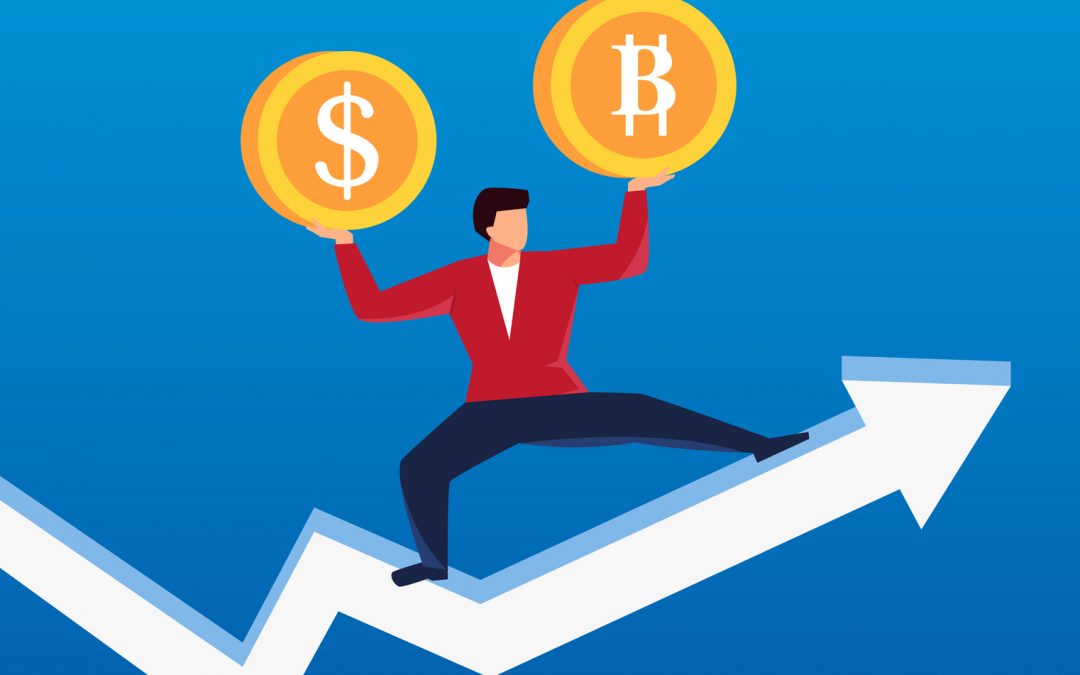

Young adults today have grown up in a period of unprecedented disruption. That’s why this massive age has more distinct objectives and passions from any other in history. They are more reluctant to settle down, acquire houses and vehicles, and adapt to new technologies, as well as get wedded later in life.
It’s maybe not surprising that this group, the first really “born digital,” would be interested in virtual currencies. Given their familiarity with economic upheaval, millennials may be more receptive to cryptocurrencies and interested in their potential benefits than older generations.
Reasons Why Youngsters Have More Faith in Cryptocurrencies
They Operate As A Distributed Banking System
Bitcoin was one of the first cryptocurrencies to enter the crypto markets. Simply said, this is a method of making online payments between individuals using a distributed ledger called the blockchain. Since no centralized power or trusted third party is needed to verify financial dealings between users, we may say that it is decentralized.
Bitcoin’s decentralized payment processing model relies on “miners,” or individuals who work in the background, rather than banks. Issues like fraud and high payment or loan costs may be mitigated in this way.
The World Of Cryptography Never Rests
When asked about the opening and closing of the stock market, the older generation has experience. Many people see day trading as nothing more than a routine part of their day.
Young adults born between 1980 and 2000 are known as “millennials,” and they are products of the digital era. Cryptocurrencies appeal to this demographic because of their demand for constant connectivity. Young adults are interested in exchanging tokens at all hours of the day and night.
Is Consistent With The “Gig” Economy
There has been a rise in demand for temporary and gig economy labor. Most millennials are interested in contract employment because they believe it offers flexibility and stability. Jobs like this are common and they pay well since they can be done remotely.
Making payments has been an issue in the past in the gig economy. It’s possible to use a service like PayPal, but keep in mind that they may charge a fee for each transaction. Since blockchain transactions are uncontrolled, more and more individuals are adopting cryptocurrencies. There is no cost associated with this exchange on either the side of the payer or the part of the recipient.
As A Culture Attuned To Virtual Resources
The younger generation has a different approach to shopping than previous generations. They seldom ever use checkbooks, and they avoid carrying cash if possible. Credit and debit cards are the preferred methods of payment. They probably use plastic even if they’re only purchasing a Coke for a few bucks at the petrol station. They regard cryptocurrency as a simple concept. Most people have an easier time understanding cryptocurrency concepts if they are already used to thinking about their money in a digital context. Since digital currency is all they’ve ever known, it makes sense for them to make the transition.
In Conclusion
The interest in cryptocurrency is rising across all age groups. In any case, being a digitally adept generation, millennials have taken to cryptocurrencies and everything they offer like a house on fire.
Many Millennials see great investment potential in speculative currencies like Bitcoin and the Bitcoin System. An interesting aspect of the room is the feeling of nostalgia it evokes. It’s almost like we’re in the midst of another gold rush. Millennials, like their elders, yearn for the possibility to create value out of obscurity.